How to Use Glucose Testers: Beginner’s Guide
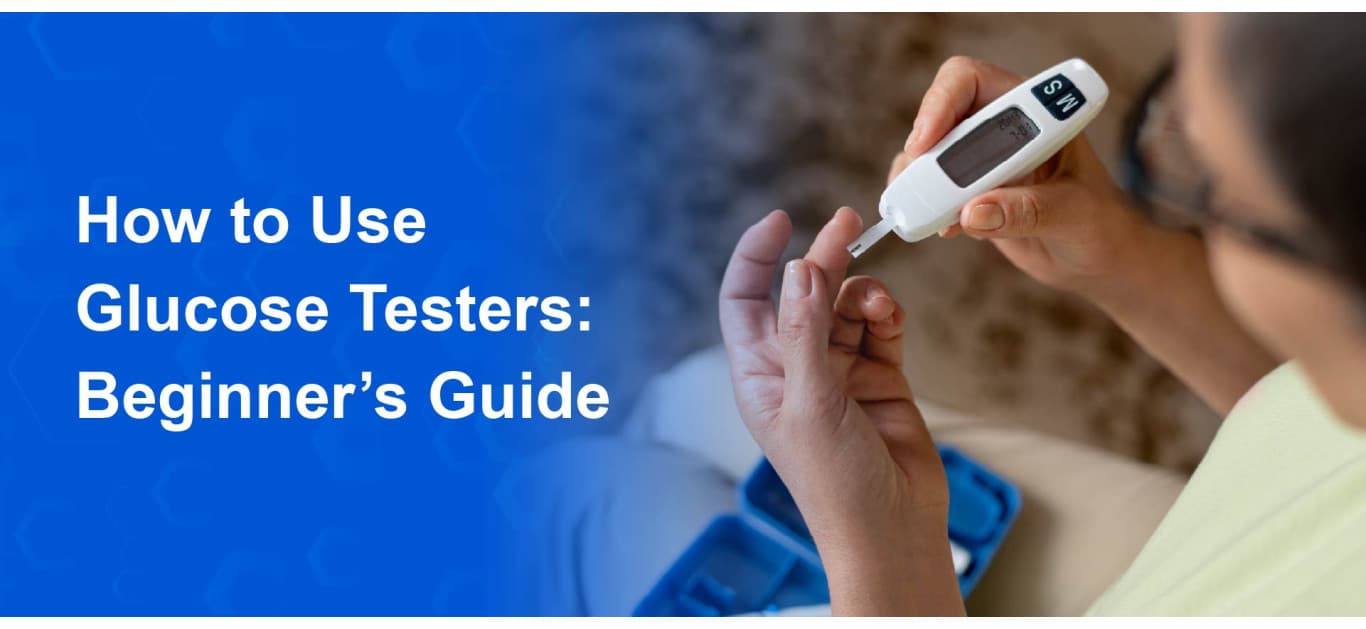
Understanding Blood Glucose Testers: A Beginner’s Overview
Educational information for general awareness only
Blood glucose testers, sometimes referred to as blood glucose meters, are devices commonly used by people who have been advised by a healthcare professional to monitor their blood glucose levels. This article provides general educational information only to help readers understand what blood glucose testers are, how they are commonly used in everyday settings, and when professional guidance may be appropriate.
This content is not intended to provide medical advice, diagnosis, or treatment. Individual health needs vary, and blood glucose monitoring should always be guided by a qualified healthcare professional.
Always read the label and follow the directions for use provided with your specific device.
Important Information
-
Blood glucose testers are regulated medical devices in Australia
-
This article does not replace advice from a doctor, pharmacist, or diabetes educator
-
Device features, operation, and requirements vary by brand and model
-
Monitoring routines should be discussed with a healthcare professional
At a Glance: Blood Glucose Testers
-
Used to measure glucose levels from a small blood sample
-
Results provide a snapshot of glucose levels at a specific moment
-
Devices and test strips are designed to work together and are not interchangeable
-
Manufacturer instructions must always be followed
General Information About Blood Glucose Monitoring
Blood glucose monitoring may be recommended by a healthcare professional for people living with diabetes or other conditions that affect blood glucose levels. Monitoring can help individuals and healthcare providers understand patterns over time and support informed discussions during medical consultations.
Many factors can influence blood glucose readings, including food intake, physical activity, stress, illness, and medications. Because these factors vary between individuals, interpretation of results should be guided by a qualified healthcare professional.
General Considerations for Blood Glucose Monitoring Devices
When using a blood glucose monitoring device, the following general considerations may apply:
-
Devices differ in features, display formats, and operation
-
Test strips are device-specific and must be compatible with the meter
-
Storage conditions can affect device and test strip performance
-
Regular maintenance may be required to ensure proper functioning
If you are unsure about the correct use, storage, or maintenance of a device, consult a pharmacist or other qualified healthcare professional.
When Blood Glucose Monitoring May Be Discussed With a Healthcare Professional
A healthcare professional may recommend blood glucose monitoring for a variety of reasons, including:
-
Supporting the management of diagnosed health conditions
-
Reviewing blood glucose patterns over time
-
Adjusting monitoring frequency based on individual needs
Monitoring routines, including timing and frequency, should always be individualised and discussed with a healthcare professional.
Understanding Blood Glucose Readings
Blood glucose readings reflect glucose levels at the time of testing. These readings can change throughout the day and may be influenced by lifestyle and health factors.
Blood glucose results should not be interpreted in isolation. If you have questions, notice unexpected results, or are unsure how to interpret readings, seek advice from a doctor, pharmacist, or diabetes educator.
When to Seek Professional Advice
You should speak with a qualified healthcare professional if:
-
You are unsure how to use your blood glucose monitoring device
-
You have questions about your blood glucose readings
-
Your device does not appear to be functioning as intended
-
You require personalised health guidance
Blood Glucose Monitoring Products Available Online
The following products are listed for general information and browsing purposes only. Blood glucose meters and test strips are regulated medical devices.
Product selection and use should be based on:
-
Manufacturer instructions
-
Compatibility requirements
-
Advice from a qualified healthcare professional
Always read the label and follow the directions for use.
Example Products
(Product tiles displayed here without performance, outcome, or therapeutic claims)
-
Blood glucose meters
-
Compatible test strips
-
Starter monitoring kits
Common Questions About Blood Glucose Monitoring
- How often should blood glucose be checked?
- Monitoring frequency varies between individuals and should be based on advice from a qualified healthcare professional.
- Can anyone use a blood glucose tester?
- Blood glucose testers should be used in accordance with manufacturer instructions and healthcare professional guidance.
- Are all blood glucose meters the same?
- Different devices vary in design, features, and compatibility requirements. Always ensure test strips and accessories match your specific device.
Pharmacist Review
This article has been reviewed by a Pharmacy Direct pharmacist for general informational accuracy. It does not replace professional medical advice. Always read the label and follow the directions for use. For personalised advice, consult your doctor, pharmacist, or diabetes educator.
Tags:
glucose testers,
blood sugar,
diabetes monitoring,
diabetes tools,
glucometer use,
home health