Asthma: What Australians Should Know
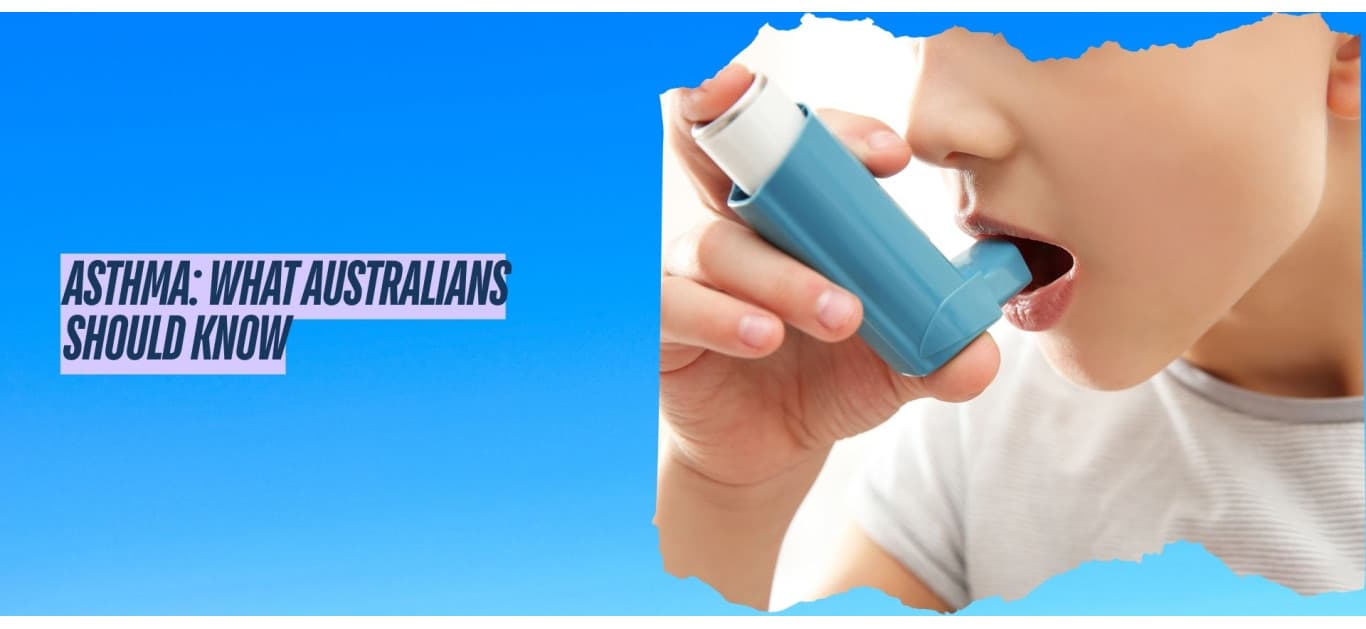
Author: Pharmacy Direct
Important information
This article provides general educational information only. It does not replace professional medical advice, diagnosis, or treatment. Always consult a qualified health professional regarding asthma or any medical condition. Always read the label and follow the directions for use on any medicine or device.
Key takeaways
- Asthma is a long-term respiratory condition that affects the airways.
- Triggers vary by person and may include infections, allergens, smoke, pollution, weather changes, exertion, or stress.
- Symptoms can include wheezing, shortness of breath, chest tightness, or coughing.
- Asthma management is individual and should be guided by a qualified health professional.
- If breathing becomes difficult or symptoms worsen quickly, seek urgent medical help and follow recognised health authority guidance.
What is asthma?
Asthma is a long-term respiratory condition that affects the airways in the lungs. In people with asthma, the airways may become sensitive to certain triggers, which can make breathing more difficult at times. Asthma affects people of all ages, and symptoms can change over time.
Common asthma triggers
Triggers differ from person to person. Common triggers may include:
- Cold and flu infections
- Environmental allergens such as pollen, dust mites, or mould
- Air pollution and cigarette smoke
- Weather changes, including cold or humid air
- Physical exertion in some individuals
- Emotional stress
Identifying personal triggers is usually done with support from a healthcare professional.
Signs and symptoms
People with asthma may experience:
- Wheezing
- Shortness of breath
- Chest tightness
- Coughing, particularly at night or early morning
Symptoms can range from mild to severe and may vary over time.
Asthma management (general information)
Asthma is commonly managed through an individualised plan developed with a healthcare professional. Management approaches vary and may change over time.
- Regular medical review
- Understanding personal triggers
- Monitoring symptoms over time
- Following a written asthma action plan provided by a healthcare professional
For broader wellbeing education, you may also find our Health and Wellness blog articles helpful.
What to do during an asthma episode
If someone experiences worsening asthma symptoms or difficulty breathing, seek professional medical advice or emergency assistance immediately.
For trusted, up-to-date emergency guidance, refer to recognised health authorities such as:
- National Asthma Council Australia
- Asthma Australia
- Healthdirect Australia
Living well with asthma
Many Australians with asthma lead active, healthy lives. Ongoing education, regular health check-ups, and following professional guidance can support long-term wellbeing.
Support and further information
For additional educational resources, visit:
- Asthma Australia
- National Asthma Council Australia
- Healthdirect Australia
You can also explore more general topics in our Health Information Hub.
Some people may use asthma-related accessories as advised by a healthcare professional. Always seek professional advice to determine what is appropriate for your individual circumstances.
Note: Product listings below are general and do not imply treatment outcomes. Always seek advice from a qualified health professional about what is suitable for you.
Tags:
asthma information,
respiratory health,
health education Australia,
chronic condition awareness,
pharmacy information